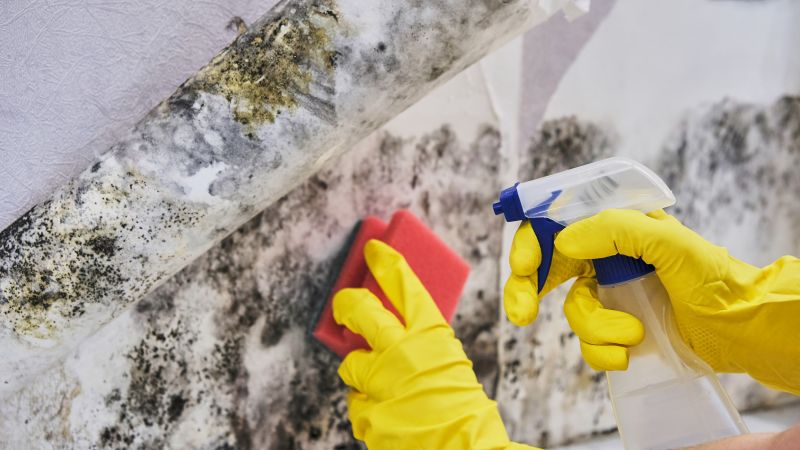
Black Mold Removal in Dallas, TX
Black mold removal services focus on identifying and eliminating mold growth caused by excess moisture and poor ventilation in residential properties. These projects typically involve assessing affected areas, containing the mold to prevent spread, and safely removing mold colonies from surfaces such as walls, ceilings, basements, and HVAC systems. Property owners often seek this service when noticing visible mold, musty odors, or experiencing health symptoms linked to mold exposure, especially in areas prone to humidity or water damage.
Before requesting black mold removal, homeowners usually want to understand the extent of the mold problem and the potential causes of moisture buildup. It’s important to consider whether the issue is isolated or widespread, as well as any underlying water leaks or ventilation issues that need addressing to prevent future growth. Proper assessment and remediation help ensure the mold is thoroughly removed and that conditions are improved to reduce the risk of recurrence.
Many property owners in Dallas, TX look into Black Mold Removal for repairs, replacements, upgrades, and appearance-related improvements.
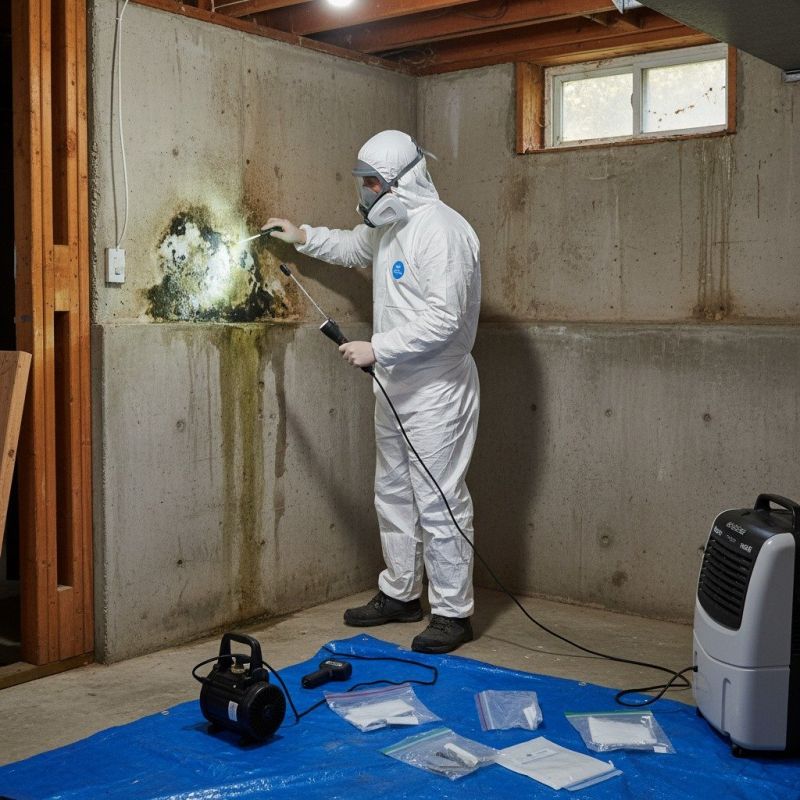
Identifying Black Mold Risks
Understanding common signs of black mold can help protect dallas homes from health hazards.
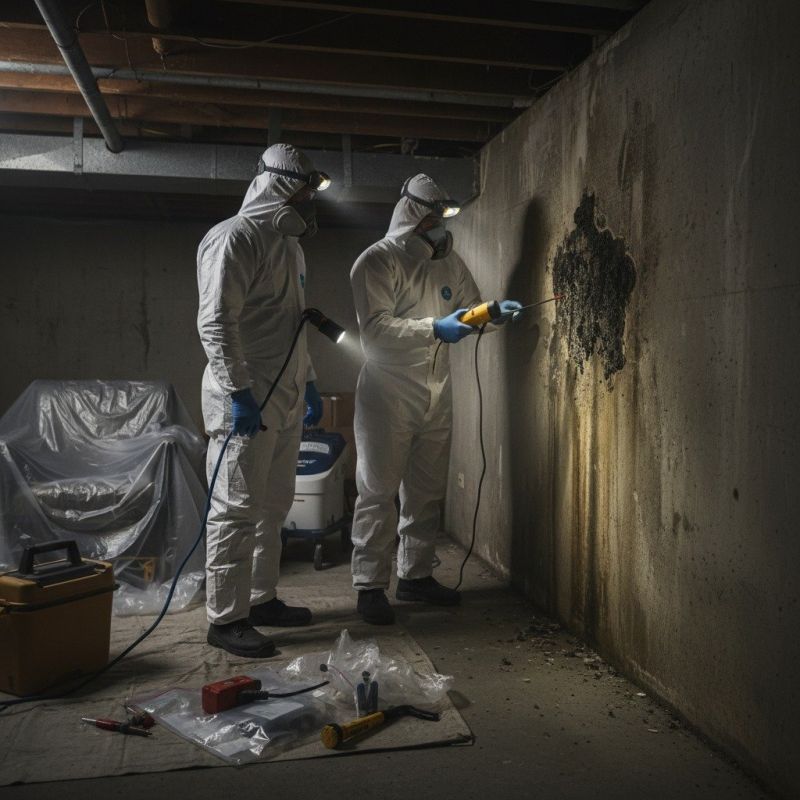
Effective Removal Techniques
Professional black mold removal involves specialized methods to safely eliminate mold and prevent future growth.
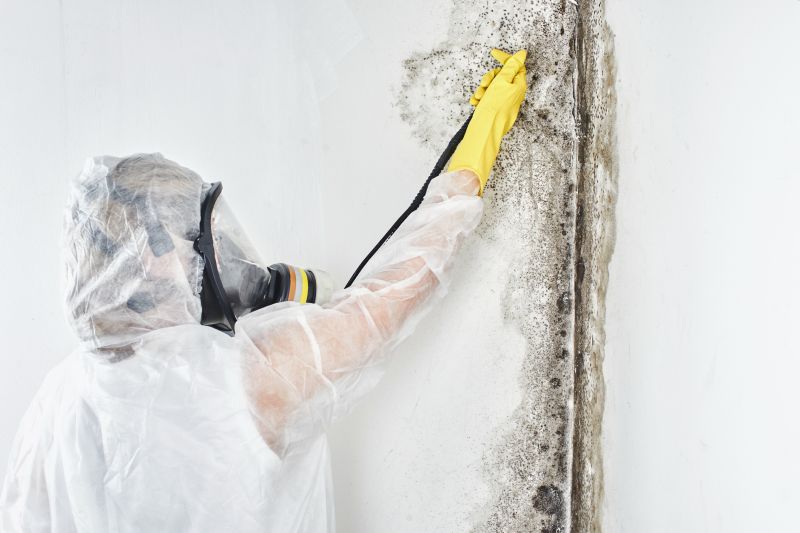
Preventing Mold Recurrence
Addressing moisture issues and maintaining proper ventilation are key steps to keep black mold from returning in dallas properties.
Black Mold Removal in Dallas, TX
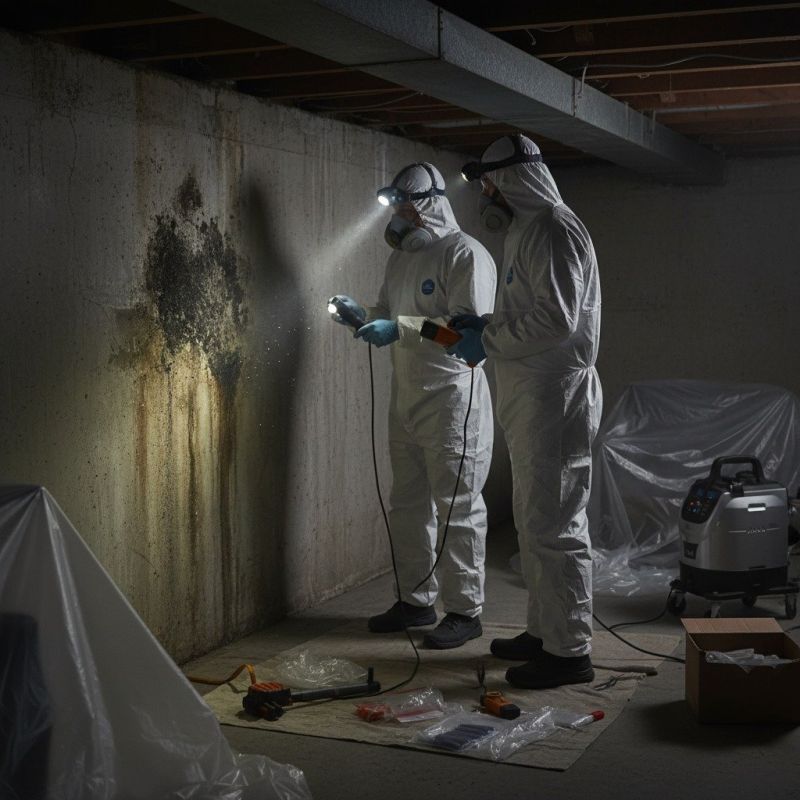
Black mold removal services focus on identifying and eliminating mold growth caused by excess moisture and poor ventilation in residential properties. These projects typically involve assessing affected areas, containing the mold to prevent spread, and safely removing mold colonies from surfaces such as walls, ceilings, basements, and HVAC systems. Property owners often seek this service when noticing visible mold, musty odors, or experiencing health symptoms linked to mold exposure, especially in areas prone to humidity or water damage.
Before requesting black mold removal, homeowners usually want to understand the extent of the mold problem and the potential causes of moisture buildup. It’s important to consider whether the issue is isolated or widespread, as well as any underlying water leaks or ventilation issues that need addressing to prevent future growth. Proper assessment and remediation help ensure the mold is thoroughly removed and that conditions are improved to reduce the risk of recurrence.
Many property owners in Dallas, TX look into Black Mold Removal for repairs, replacements, upgrades, and appearance-related improvements.
Common Black Mold Removal Jobs
Black Mold Removal - eliminates mold growth from indoor surfaces to improve air quality.
Basement Mold Cleanup - addresses mold issues caused by moisture in basement areas.
Bathroom Mold Treatment - removes mold from showers, tubs, and bathroom walls.
Attic Mold Remediation - treats mold hidden in attic insulation and framing.
HVAC Mold Cleaning - ensures mold spores are removed from ductwork and ventilation systems.
Water Damage Mold Prevention - prevents mold growth following leaks or flooding incidents.
Black Mold Removal Questions
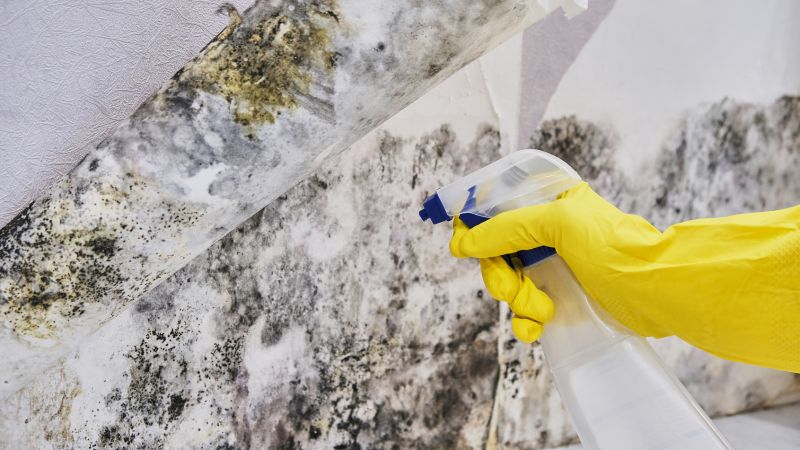
What is black mold? Black mold is a type of fungi that can grow in damp, humid areas of a property, often appearing as black or dark green patches.
Why is removal important? Removing black mold helps prevent health issues and protects the integrity of the building’s structure.
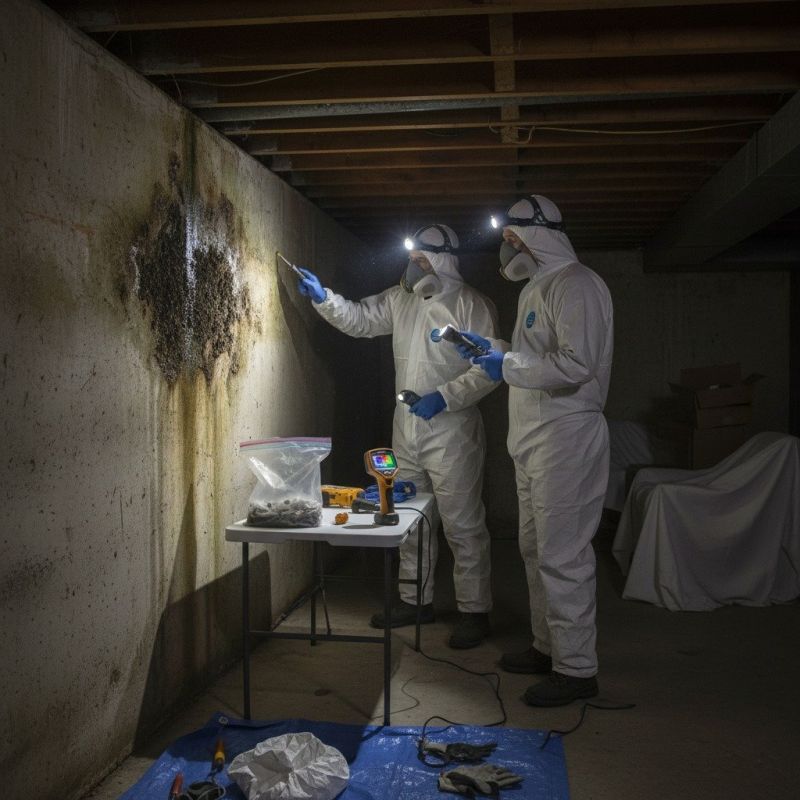
Where does black mold typically grow? It commonly grows in bathrooms, basements, around leaks, or behind walls where moisture accumulates.
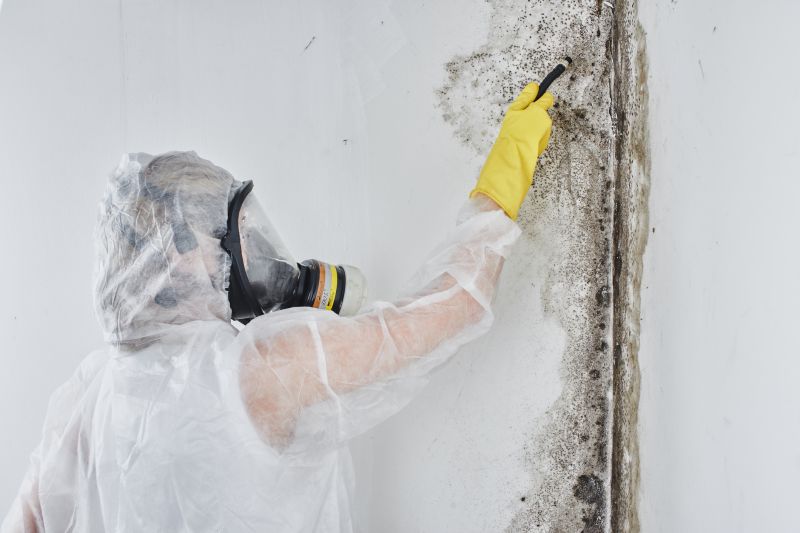
How can black mold be removed? Removal involves cleaning affected areas with specialized methods to eliminate mold and prevent regrowth.
Request Black Mold Removal in Dallas, TX
Use the quote form on this page to share the basics of your project and request more information for the type of work you need.